



Invisalign in Milford, OH: An Honest Guide to Clear Aligners
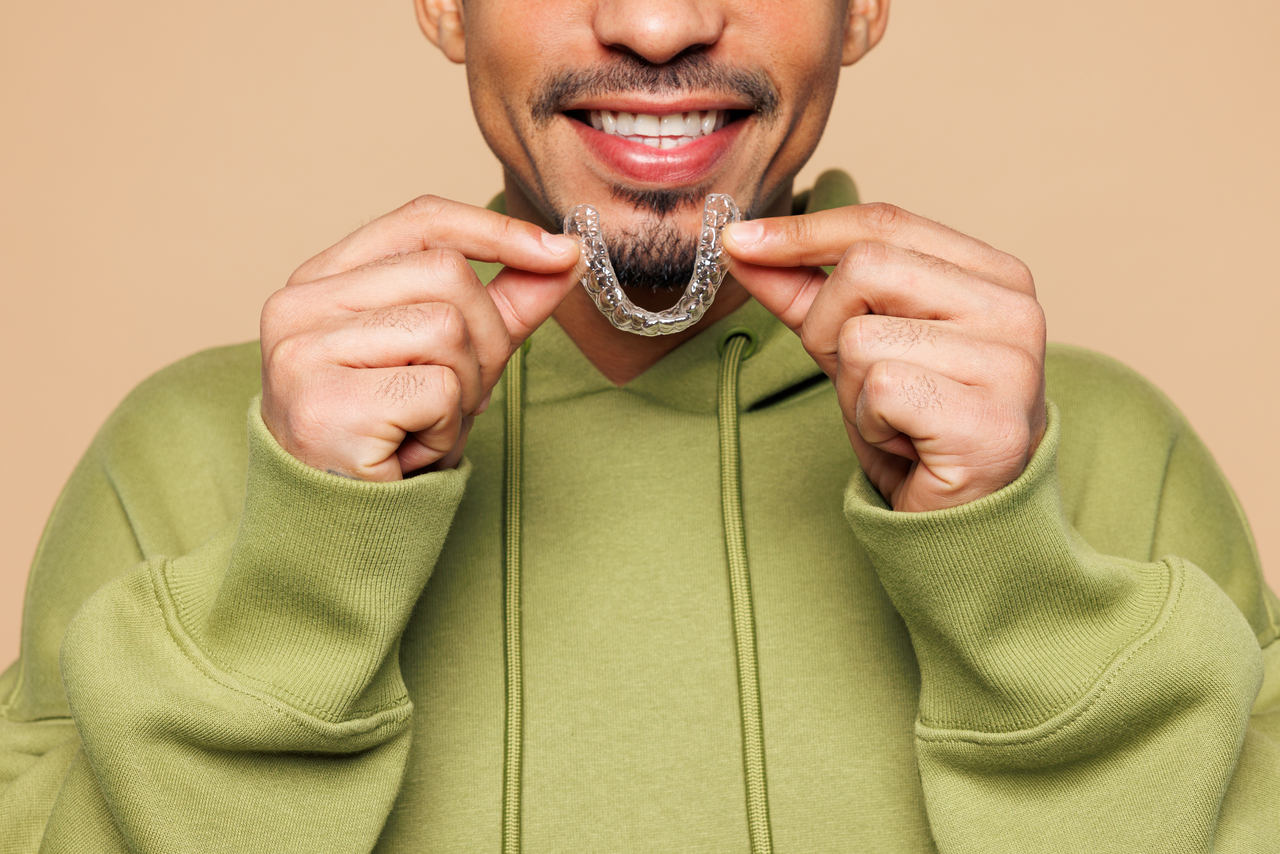
Invisalign is a system of clear, custom-made aligner trays that straighten teeth without metal brackets or wires. For many adults and teens, it’s an attractive alternative to traditional braces — nearly invisible, removable for meals, and often faster than people expect. But it isn’t the right fit for every case, and the results depend heavily on the provider planning your treatment and on how consistently you wear the aligners.
At Gloss Dental Studio in Milford, OH, Dr. Alexandra Shehata Kress offers Invisalign clear aligners to patients across Cincinnati’s east side who want a straighter smile without the look and feel of conventional braces. This guide walks through how Invisalign actually works, who it’s best suited for, what it costs, and the questions worth asking before you commit — wherever you end up receiving treatment.
What Is Invisalign, and How Does It Work?
Invisalign uses a series of clear thermoplastic aligners, each slightly different from the last, to move your teeth in small, controlled increments. You wear each set for about one to two weeks before switching to the next, and the sequence gradually guides your teeth into their final position.
The process generally looks like this:
- Digital scan and planning: a 3D scan of your teeth is used to map out every stage of movement before treatment begins.
- Custom aligner fabrication: your aligners are manufactured to match that plan, from start to finish.
- Progressive wear: you move through each set in order, wearing them 20–22 hours a day and removing them only to eat, drink anything other than water, and brush.
- Check-ins and refinements: periodic visits confirm your teeth are tracking to plan, with adjustments made if needed.
Because the entire path is mapped digitally, the quality of that initial planning matters enormously — which is why the technology and experience behind your treatment are worth asking about. You can read more about the technology used at Gloss Dental Studio.
Is Invisalign Right for You?
Invisalign works well for a wide range of cases, but it isn’t universal. It tends to be a strong fit for:
- Crowded or overlapping teeth
- Gaps and spacing between teeth
- Mild to moderate bite issues (overbite, underbite, crossbite)
- Teeth that have shifted after previous orthodontic work
- Adults and teens who want a discreet, removable option
More complex cases — severe bite problems, significantly rotated teeth, or teeth that need major vertical movement — sometimes call for traditional braces or a combination approach. An honest provider will tell you plainly if Invisalign isn’t the best tool for your situation rather than forcing the fit.
Invisalign vs. Traditional Braces: What’s the Difference?
Both straighten teeth effectively. The right choice depends on your case, your lifestyle, and your priorities.
Where Invisalign Tends to Win
- Appearance: the aligners are clear and hard to notice in everyday conversation.
- Comfort: smooth plastic instead of brackets and wires that can irritate the cheeks.
- Eating: you remove the trays to eat, so there are no food restrictions.
- Hygiene: you can brush and floss normally, which is harder with fixed braces.
Where Braces Still Have an Edge
- Complex movements: fixed braces can handle certain severe cases more predictably.
- No compliance required: braces work 24/7 whether or not you’re disciplined — Invisalign only works when you actually wear it.
That last point is the one patients underestimate most. Invisalign gives you freedom, but it also puts the results in your hands: if the aligners sit in a drawer, your teeth won’t move.
How Much Does Invisalign Cost?
Invisalign typically ranges from roughly $3,000 to $8,000, depending on how complex your case is and how long treatment takes. A minor correction that needs a handful of aligner sets sits at the lower end; a full-arch case spanning many months lands higher.
When you’re comparing quotes, look at what’s actually included:
- The initial 3D scan and treatment planning
- All aligner sets through the full course of treatment
- Any refinement aligners needed near the end
- Retainers to hold your results afterward
- Follow-up visits and progress checks
Many dental insurance plans that include orthodontic benefits cover part of Invisalign, and most practices offer monthly financing to spread the cost. Ask for an itemized estimate so you can compare providers fairly. To discuss your specific case and pricing, request an appointment at Gloss Dental Studio.
How Long Does Invisalign Take?
Most Invisalign cases finish in 12 to 18 months, though minor corrections can wrap up in as little as six months and complex cases can run longer. Two factors drive the timeline more than anything else:
- The complexity of your case: bigger movements simply take more aligner stages.
- Your consistency: wearing the aligners the recommended 20–22 hours a day keeps treatment on schedule. Falling short stretches it out.
After active treatment, you’ll wear a retainer to keep your teeth from drifting back — this part is permanent in the sense that some retainer wear continues long-term, usually just at night.
Questions to Ask Before Starting Invisalign
Invisalign is a real investment of money and time, and outcomes vary by provider. These questions help you evaluate any practice you’re considering:
1. Am I a Good Candidate — Honestly?
Ask the dentist to explain why Invisalign suits your specific case, and what the alternatives would be. A provider who recommends it for every patient regardless of complexity isn’t giving you a real assessment.
2. Who Plans and Oversees My Treatment?
Invisalign is only as good as the plan behind it. Confirm that an experienced dentist — not just software — is designing your tooth movements and reviewing your progress at each stage.
3. Can I See Before-and-After Cases Like Mine?
Ask to see documented results from patients with concerns similar to yours. Real cases tell you far more than marketing images.
4. What’s Included in the Price?
Get clear on whether the quote covers scans, all aligners, refinements, retainers, and follow-ups — or whether some of those are extra. A lower headline price isn’t a better deal if key pieces are excluded.
5. What Happens If My Teeth Don’t Track to Plan?
Sometimes teeth move slower than predicted and refinement aligners are needed. Ask how the practice handles that — and whether it’s already built into your cost.
6. What’s the Retainer Plan Afterward?
Straightening is only half the job; holding the result is the other half. Make sure retainers and the long-term maintenance plan are part of the conversation from the start.
Red Flags to Watch For
A few patterns should give you pause during any Invisalign consultation:
Pressure to commit today.
A legitimate practice will give you time to think it over. “Discount if you sign now” is a sales tactic, not clinical advice.
No honest discussion of alternatives.
If braces might genuinely be the better choice for your case and it never comes up, that’s a concern.
Vague or verbal-only pricing.
You should leave with a written, itemized estimate — not a number scribbled on a business card.
No before-and-after examples.
An experienced provider has documented results to show. If they don’t, ask why.
Overpromising on timeline.
Be skeptical of guarantees that sound dramatically faster than the typical range without a clear reason tied to your case.
What a Good Invisalign Consultation Should Feel Like
A well-run consultation leaves you feeling:
- Informed about whether Invisalign is truly right for you
- Clear on the full timeline and what’s expected of you
- Aware of every cost upfront, in writing
- Comfortable with the dentist overseeing your care
- Free to decide on your own timeline, without pressure
You should also leave understanding your alternatives, your financing options, and the retainer plan that protects your results. Explore all of Gloss Dental Studio’s cosmetic dentistry services to see how Invisalign fits alongside other smile options.
.webp)
Ready to See If Invisalign Is Right for You?
At Gloss Dental Studio in Milford, OH, we take a calm, no-pressure approach to Invisalign. Dr. Alexandra Shehata Kress personally reviews every case, explains your options honestly, and gives you the information you need to decide with confidence — whether that’s Invisalign, braces, or another path.
We’re proud to serve patients throughout Cincinnati’s east side, including Mason, Blue Ash, Montgomery, Loveland, Madeira, Hyde Park, and Anderson Township.
Schedule your Invisalign consultation at Gloss Dental Studio on Main Street by calling (513) 831-2121 today.

Gloss Dental Studio

Phone
(513) 831-2121